Handling customer questions with escalation
About this source
Gen8
Source: Handling customer questions with escalation
Managed AI service for SMEs. We set up, connect and manage; you stay in control.
© 2026 Gen8 VOF · Dutch Chamber of Commerce 92978789 · Delft
Capability · route: native
Familiar questions handled faster, unusual questions handled by a person
In customer service, automation almost always fails at the exception: the customer whose question does not fit the list and who then gets stuck in a loop. This workflow works the other way round. It prepares draft answers to familiar questions and makes sure every exception visibly reaches a person, with the context included.
- Scoping first, then a proposal
- EU hosting
- You stay in control
At a glance
Route: native
Control: human approval
Systems: Gmail, shared mailbox
What happens
From signal to proposal
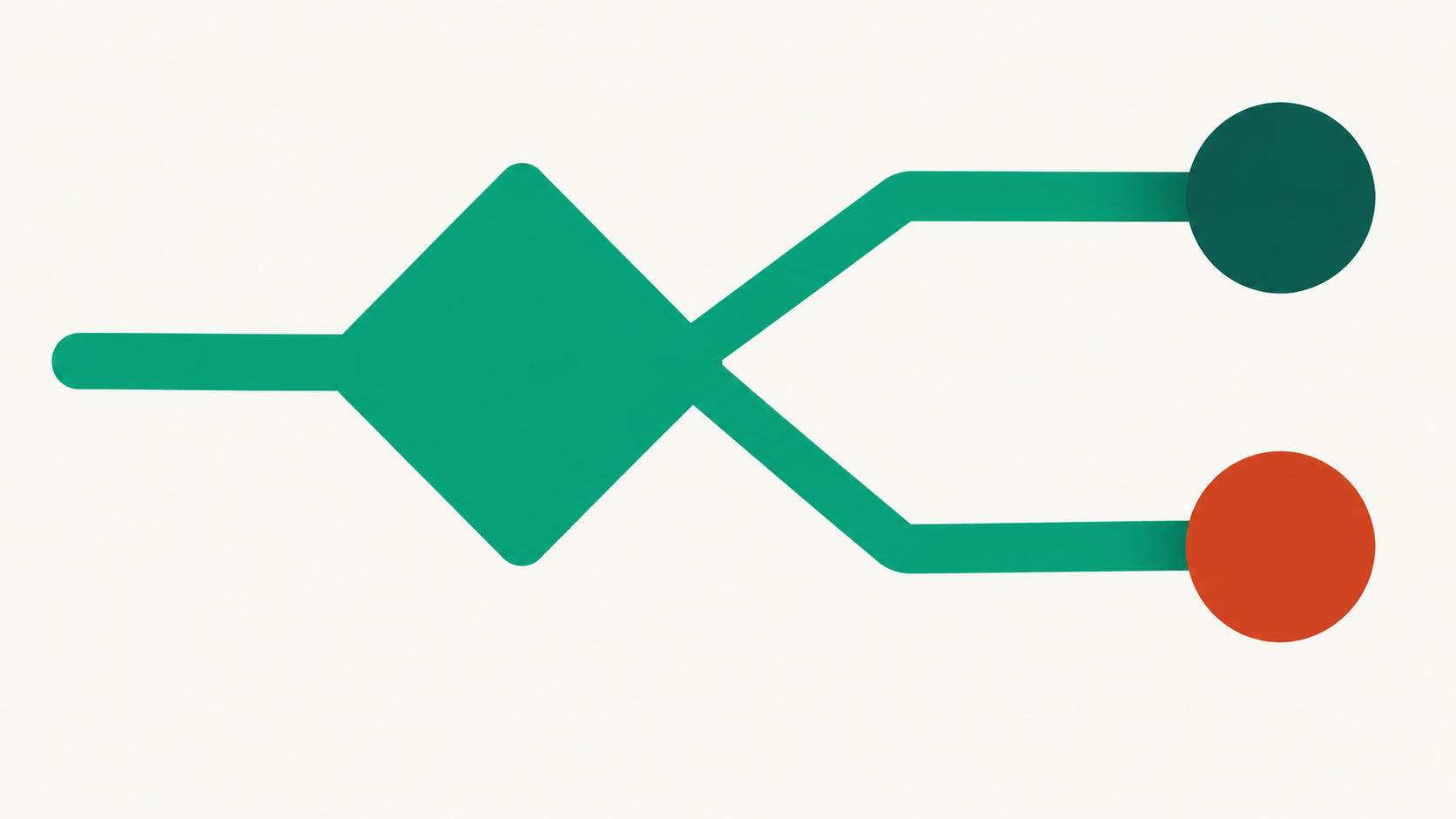
A customer question arrives in the shared mailbox. The workflow determines what it is about and whether there is a source that can answer it: a procedure, a manual or a previous answer you have approved. If that source exists, it writes a draft answer with the source included.
If the question is too unusual, the customer's interests are significant, or it concerns money, complaints or a contract, it escalates instead of writing a draft. The staff member then sees the summary, customer history and reason for escalation together, so the time saving comes from preparation rather than pushing difficult cases aside.
Arrival
A customer question in the shared mailbox you have authorized.
Identify
What is the question about, and is there an approved source that can answer it?
Draft or escalation
With a source: a draft answer. Without a source, or for a sensitive topic: straight to a person.
Prepare
When a question is escalated, the staff member receives the summary, customer history and reason for escalation together.
Send
A staff member sends, edits or writes the answer themselves. The workflow never sends anything to a customer on its own.
Limits
Where it stops
The workflow sends nothing to customers and closes no tickets. It makes no commitments about money, delivery times or goodwill gestures, and does not answer complaints: those always go to a person. It never hides the human route; a customer who asks for a staff member gets one. Without an approved source it writes no answer, even when the question seems simple. And it does not assess customers.
Evidence
What we can demonstrate
The platform has its own integration for email, including creating drafts in Gmail. Processing takes place in the EU and every step is logged. The answer sources are your own texts; nothing is answered without a source you have approved. Why the human route must stay visible is explained in customer service with a human route; a worked example appears in the case study inbox triage at a service agency.
Will the customer notice that AI is involved?
The customer receives an answer from a staff member, because a person sends it. How you communicate about that remains your choice and belongs in your own customer communications.
What happens with a complaint?
It is always escalated to a person, even if a source appears to exist. A complaint is not a question with a standard answer.
How do we prevent made-up answers?
Without an approved source there is no draft, only an escalation. That is the only reliable way to rule out invented answers.
Can this also work on a chat channel?
The structure is the same, but the channel determines expectations about speed. That deserves a conversation before you enable it.